Caspian strike exposes Iran-Russia military ties
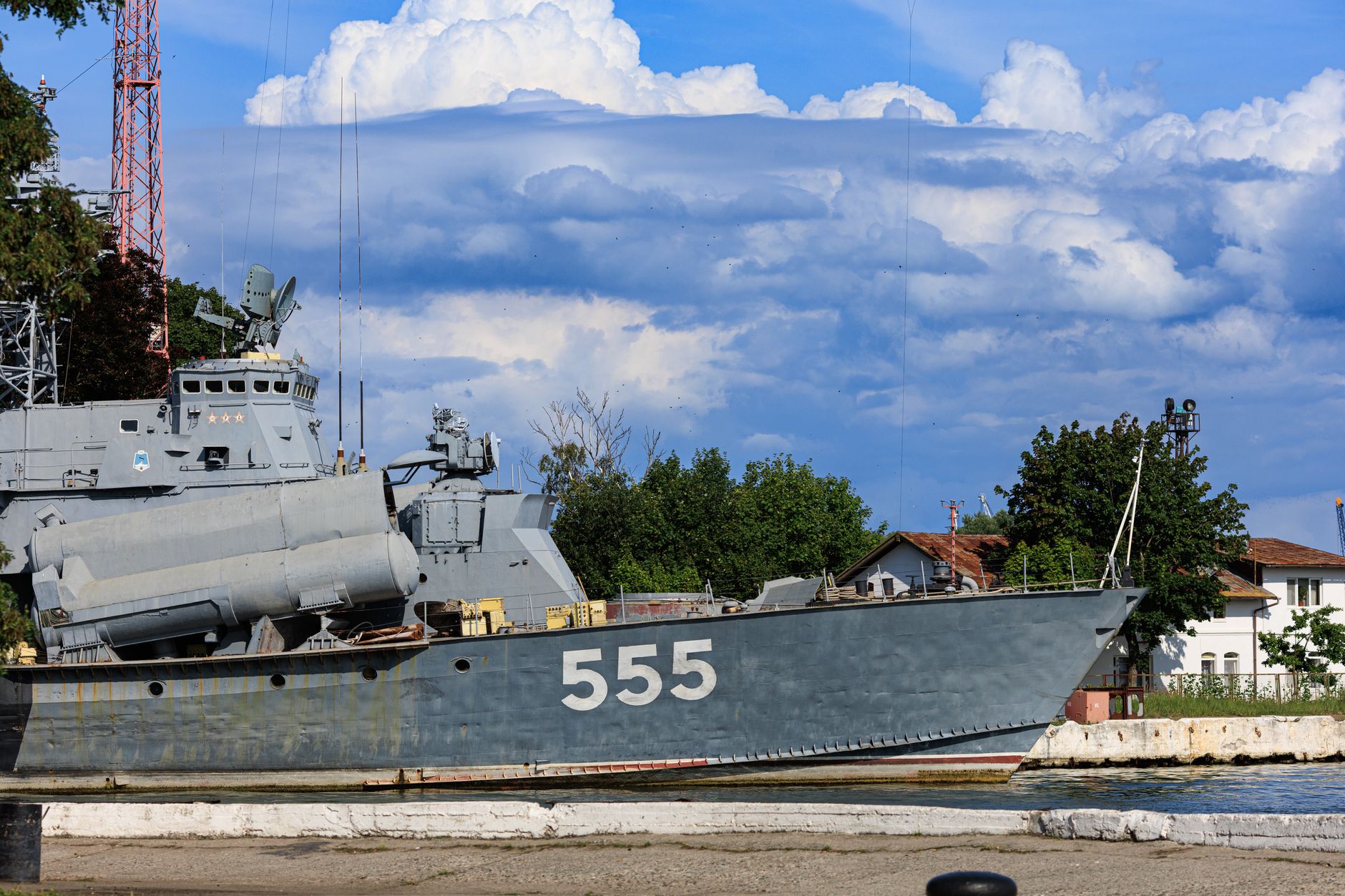
A Ukrainian strike in the Caspian Sea exposes Iran's extensive military support for Russia. The attack deepens the link between two wars.
In a striking escalation, Ukrainian forces carried out a military strike in the Caspian Sea, a region far from the front lines but now pivotal to Russia's war logistics. The attack, which targeted Russian naval assets and port infrastructure, has exposed the deepening military alliance between Moscow and Tehran. It underscores how two geographically separate wars—the conflict in Ukraine and the broader struggles across the Middle East—have become increasingly intertwined.
The Caspian becomes a new front
The Caspian Sea, the world's largest inland body of water, has long been a strategic hub for Russia's naval forces and a launchpad for missile attacks on Ukraine. In recent months, however, it has become a target for Ukrainian long-range drones and other precision weapons. Ukrainian commanders have identified the Caspian as a critical node in Russia's supply chain, particularly for weapons and ammunition transported from Iran via the Volga-Don Canal.
Ukraine's ability to hit targets more than a thousand kilometers from its borders marks a significant expansion of its operational reach. By striking at the Caspian, Kyiv has signaled that no part of Russia's military infrastructure is immune, even those far from the immediate battlefields. The strike is also a potent reminder that Ukraine's war is not confined to the trenches of the Donbas but extends to every corner of Russian military power.
Iran's long shadow over the Ukraine war
The connection between Iran and Russia in this conflict is not new. Tehran has been supplying Moscow with Shahed-136 loitering munitions since late 2022, and these "kamikaze" drones have become a symbol of the war. Used in wave attacks against Ukrainian cities and infrastructure, they have caused significant civilian casualties and psychological trauma. Exhibitions of destroyed Russian equipment in Kyiv, including the Shahed drone pictured alongside a destroyed ambulance, offer grisly evidence of Tehran's hand in the conflict.
But the relationship goes deeper than drones. Reports indicate that Iran has also transferred artillery shells, tank rounds, and other munitions to Russia. Moreover, the two nations have explored joint production of weapons, with Iran providing technical expertise and Russia supplying raw materials and industrial capacity. For nearly three years, Iranian weapons have been integral to Russia's battlefield strategy, and the Caspian strike is a direct response to this sustained support.
A convergence of conflicts
The wars in Ukraine and the Middle East are often portrayed as separate crises, but the Iran-Russia axis connects them in fundamental ways. Russia's use of Iranian drones provides Tehran with a significant source of revenue and military leverage, while Iran's assistance to Russia weakens the international coalition that Ukraine relies on. Furthermore, Iran's support for militant groups such as Hamas and Hezbollah aligns with Russia's broader anti-Western stance, creating a united front against the U.S.-led world order.
The Caspian incident is a reminder that these conflicts are not isolated. Ukrainian actions against Russian assets also serve to highlight the extent of Iranian complicity in the destruction of Ukrainian cities. Both nations face international accusations of undermining regional security, and the strike brings that connection into sharper focus for global observers.
What comes next
Ukraine's Caspian strike may be a foretaste of more aggressive tactics, as Kyiv seeks to degrade Russia's ability to wage war far from the front lines. It also serves as a direct warning to Iran that its military support for Russia carries consequences. However, Moscow and Tehran are likely to respond by deepening their cooperation, potentially through more advanced weapons transfers, including ballistic missiles or improved drone designs.
The international community, which has struggled to curb Iran's weapons program through sanctions and diplomacy, may now have to contend with a more integrated Russia-Iran military partnership. For Ukraine, the demand for long-range capabilities will intensify, as will pressure on Western allies to provide even more sophisticated systems. As the war enters another winter, the convergence of these conflicts shows no sign of abating, and the Caspian Sea has become a symbol of the new global divide.