Iran: Strait of Hormuz restricted until US meets demands
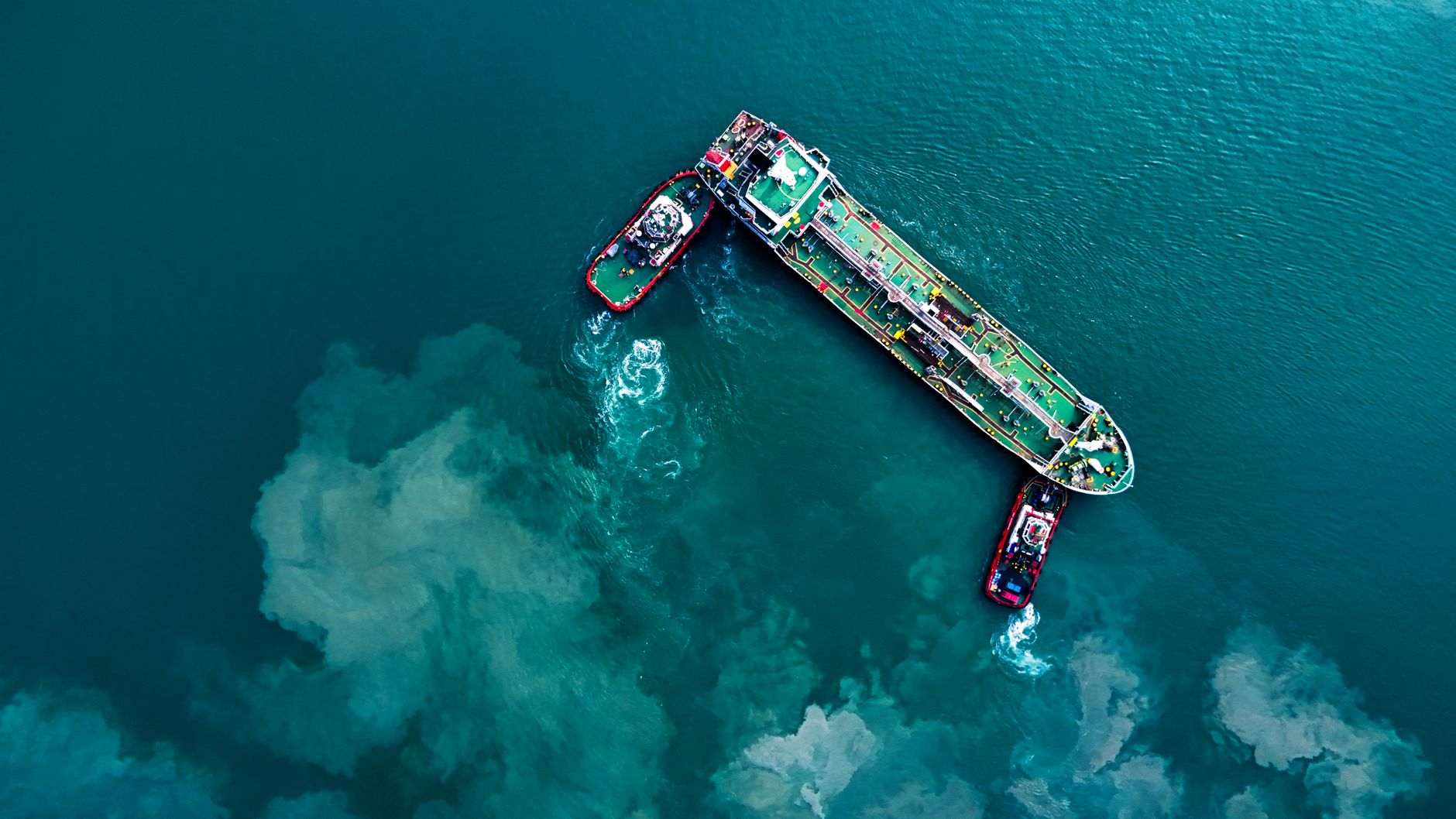
Iran says the Strait of Hormuz will remain restricted until the US meets a list of demands. The UAE accuses Tehran of attacking an oil tanker, and Houthis claim a strike on a Saudi refinery.
Iran has declared that the Strait of Hormuz will remain restricted until the United States meets a series of demands, a move that threatens to disrupt the world’s most important oil shipping route. The announcement came as the UAE accused Tehran of targeting an oil tanker, while Yemen’s Houthi rebels claimed responsibility for an attack on a Saudi refinery. These simultaneous developments, reported by Al Jazeera’s Nour Hegazy, underscore a sharp escalation in tensions across the Persian Gulf.
Strait of Hormuz: A Vital Chokepoint Under Threat
The Strait of Hormuz is a narrow waterway between Iran and Oman, through which roughly 20% of global oil consumption passes. Any restriction on navigation there could send shockwaves through energy markets and global economies. Iran has previously threatened to close the strait in response to US sanctions and military pressure, but this is the first time it has tied the waterway’s status to specific American concessions. The demands themselves have not been made public, leaving analysts to speculate whether they focus on sanctions relief, nuclear negotiations, or security guarantees.
Washington has maintained a significant naval presence in the region to ensure freedom of navigation. The US Navy’s Fifth Fleet is based in Bahrain, just across the Gulf from Iran. A restriction, even a partial one, would likely be met with a military response, raising the risk of a direct confrontation that neither side has sought until now.
UAE Accuses Iran of Tanker Attack
In a separate development, the United Arab Emirates has accused Iran of being behind an attack on an oil tanker. Details of the incident are scarce, but such accusations are not new. Over the past decade, the UAE and other Gulf states have repeatedly blamed Iran for incidents involving commercial vessels in the region, ranging from limpet mine attacks to drone strikes. Iran has consistently denied involvement, pointing to the presence of foreign forces as a destabilizing factor.
The accusation comes amid fragile attempts to de-escalate tensions in the Gulf. The UAE, which has recently sought to improve ties with Tehran, may now face domestic and international pressure to take a firmer stance. The attack, if confirmed, would represent a significant breach of maritime security and could prompt oil companies to reroute or insure their shipments at higher costs.
Houthi Claim on Saudi Refinery
Meanwhile, in Yemen, the Houthi rebel group has claimed responsibility for an attack on a Saudi refinery. The Houthis, who have been fighting a Saudi-led coalition since 2015, have frequently targeted Saudi oil infrastructure with missiles and drones. Iran has long been accused of arming and supporting the Houthis, although Tehran denies direct involvement. This latest claim suggests that the Houthis are willing to continue their campaign even as regional powers seek an end to the Yemeni conflict.
The attack on the refinery, if verified, could affect Saudi oil exports and escalate the war in Yemen, which has already caused a humanitarian catastrophe. It also provides a reminder that the conflict in Yemen is not isolated from the broader US-Iran confrontation. For Iran, the Houthis represent a strategic lever to pressure Saudi Arabia and its allies, including the US, without engaging in direct military action.
A Coherent Strategy of Pressure
The simultaneous nature of these events points to a coordinated strategy by Iran and its proxies to maximize pressure on the US and its Gulf allies. By linking the Strait of Hormuz to its demands, Tehran is signaling that it is willing to risk economic chaos to achieve its goals. The tanker incident and the refinery attack could be seen as demonstrations of Iran’s reach and its ability to disrupt oil flows from multiple directions.
For the United States, the challenge is to respond without escalating into a war that could destabilize the entire region. The Biden administration has expressed a willingness to return to the nuclear deal, but talks have stalled. Iran’s hardline government may be using these tactics to strengthen its negotiating position, but it is also playing with fire.
The international community, including major oil importers like China and India, will be watching closely. Any prolonged restriction of the Strait of Hormuz would have immediate consequences for global energy prices and could undermine the fragile world economic recovery. Diplomatic channels remain open, but time is running out. The next few weeks will be critical in determining whether these are merely threats or the beginning of a larger conflict.