Mutual Defence Pact: Turkey, Saudi, Pakistan Sign

Pakistan, Turkey, and Saudi Arabia sign a mutual defence pact, treating an attack on one as an attack on all. The deal reshapes regional security.
In a significant geopolitical development, Pakistan, Turkey, and Saudi Arabia have signed a mutual defence agreement, pledging that an armed attack on any one of the three nations will be considered an attack on all. The pact, announced as Saudi Arabia intensifies efforts to broaden its security partnerships after repeated attacks on its critical infrastructure, signals a new alignment in regional defence cooperation.
Understanding the Mutual Defence Pact
The exact terms of the agreement were not fully disclosed, but the core principle is collective defence, akin to Article 5 of NATO. This means if one member is attacked, the others are obligated to respond, potentially with military force. Such pacts are rare in the region and underscore the growing convergence of security interests among these three countries.
For Pakistan, this aligns with its long-standing military ties with Saudi Arabia. For Turkey, it extends its influence in the Gulf and beyond. For Saudi Arabia, it marks a departure from its traditional reliance on Western security guarantees, reflecting a more multipolar approach.

Saudi Arabia's Search for Reliable Partners
The agreement comes at a time of heightened tension in the Middle East, particularly amid the ongoing conflict involving Iran. Saudi Arabia has faced repeated attacks on its critical infrastructure, including oil facilities and airports, which have strained its existing security arrangements. The war in Iran has only intensified these threats, prompting Riyadh to seek alternative alliances that can provide rapid and concrete support.
By signing with Turkey and Pakistan, Saudi Arabia gains two powerful Muslim-majority allies with significant military capabilities. Turkey boasts one of the largest armies in NATO, while Pakistan possesses a well-equipped military and is one of the few Islamic nations with a nuclear arsenal. This combination offers Saudi Arabia a wider range of deterrence options.
Turkey and Pakistan: Strategic Motivations
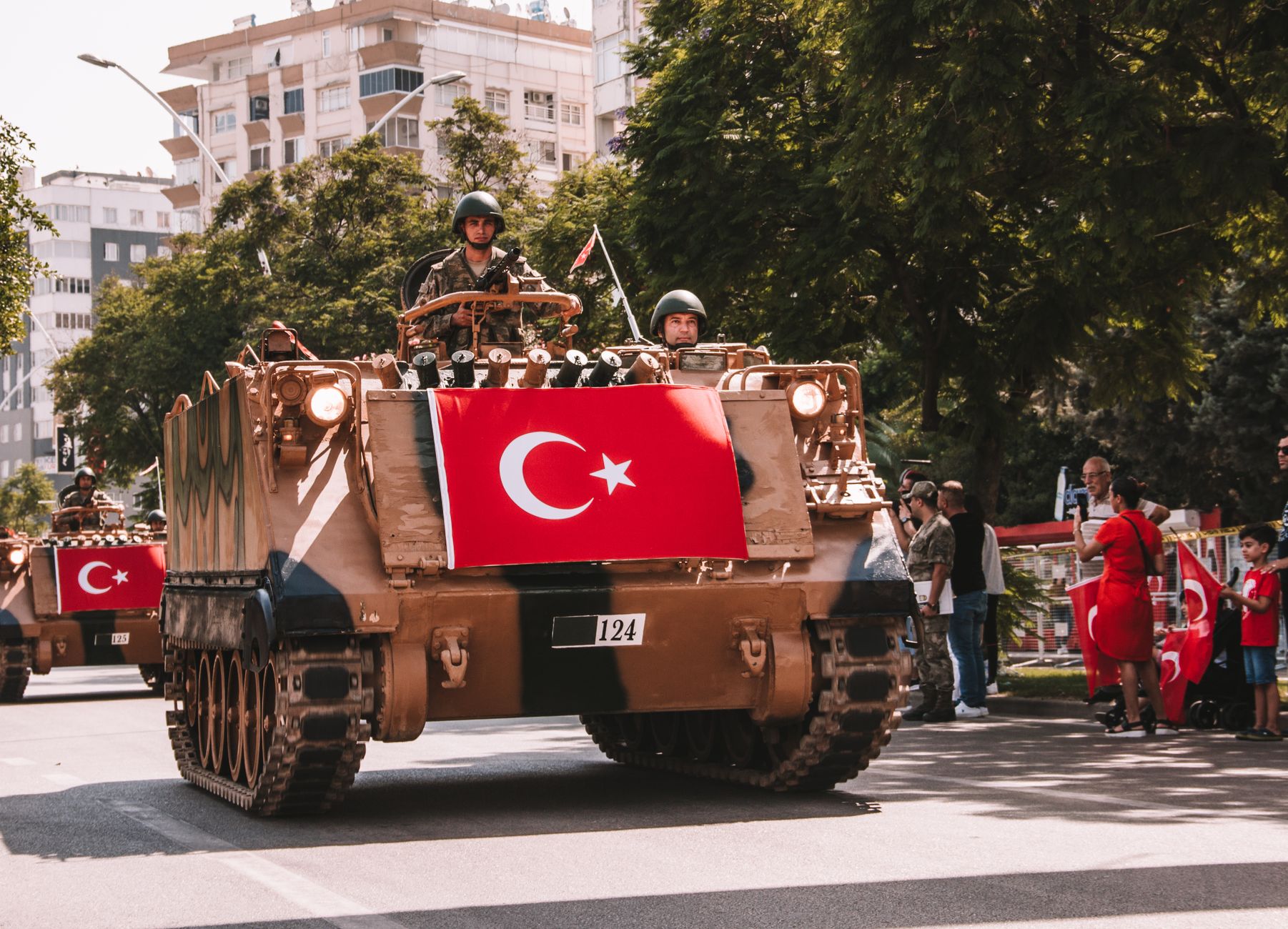
For Turkey, the pact reinforces its role as a key defence player in the Muslim world. Ankara has been increasingly assertive in its foreign policy, from its military interventions in Syria and Libya to its growing defence industry exports. Aligning with Saudi Arabia and Pakistan strengthens its geopolitical leverage and provides new markets for its drones and other military hardware.
Pakistan, on the other hand, has traditionally viewed its relationship with Saudi Arabia in strategic and religious terms. Pakistani troops have been stationed in the Kingdom for decades, and the two countries have cooperated on security issues. This new trilateral framework allows Pakistan to deepen its defence ties with Turkey, which has also been a close ally in recent years, particularly in the domains of naval cooperation and joint exercises.
Implications for Regional Security
This treaty could reshape the security architecture of the Middle East and South Asia. It creates a clear signal to adversaries that the three countries will stand together in the face of aggression. That might deter attacks but could also escalate tensions, particularly if one member is drawn into a conflict with a major power like Iran.
The pact also reflects the broader shift towards regional self-reliance in security, as countries increasingly look beyond traditional alliances. It remains to be seen how this agreement will operate in practice, especially the mechanics of response in a crisis. But the symbolic weight is undeniable: Pakistan, Turkey, and Saudi Arabia have locked their fates together.
Looking ahead, further defence and economic cooperation likely to follow. Joint military exercises, intelligence sharing, and the development of a coordinated defence industry could be next steps. As the war in Iran continues to simmer, this new axis will be a crucial factor in the region's stability to watch.