Trump warns FIFA against replacing Infantino after subsidiary proposal
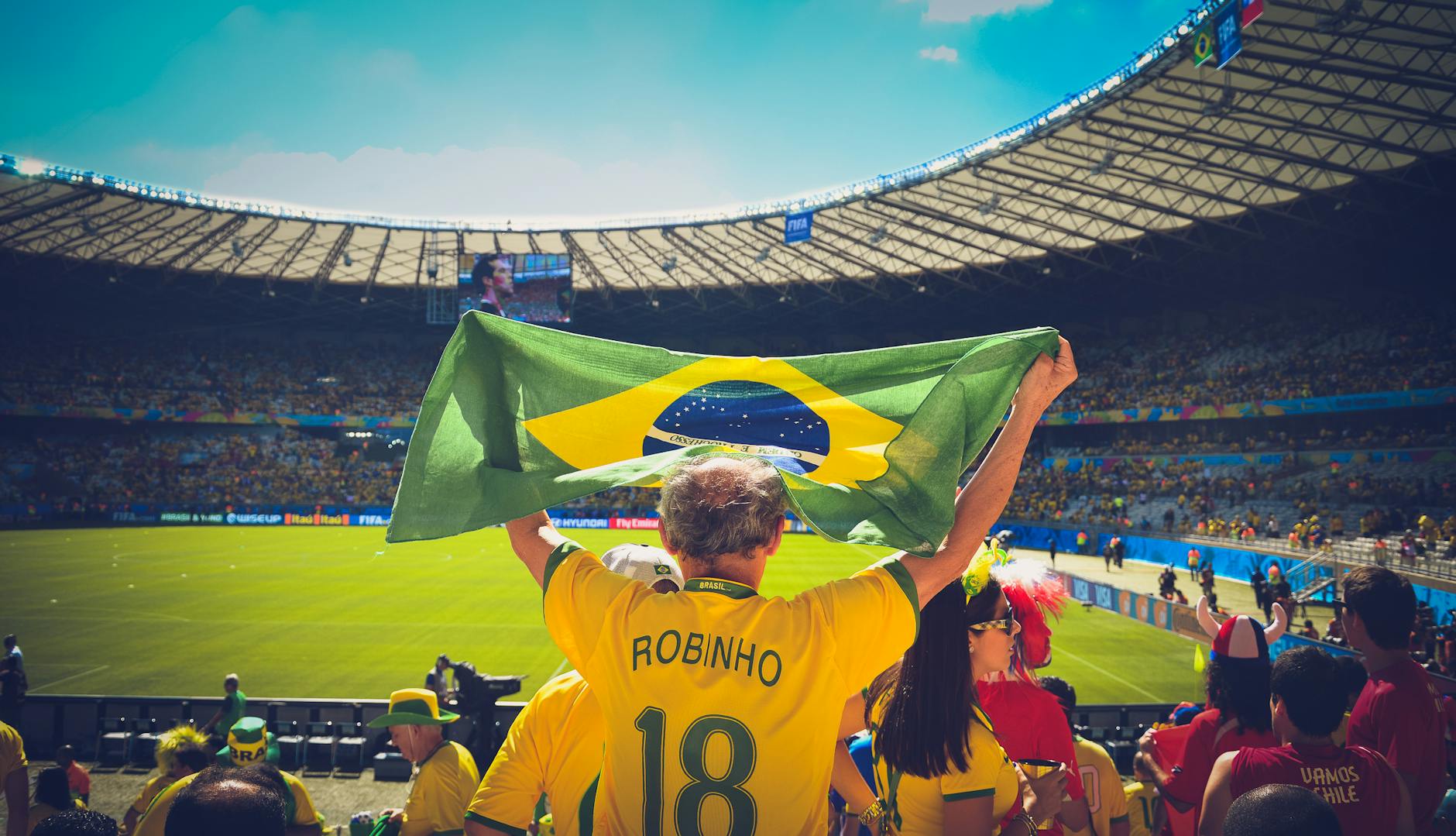
Trump warns FIFA that losing Infantino would hurt World Cup success and profitability. His backing after the subsidiary proposal adds political pressure.
Washington, D.C. – President Donald Trump has issued a stark warning to FIFA, urging the international football governing body not to replace President Gianni Infantino. Trump’s endorsement comes amid controversy over a proposal by Infantino to create a subsidiary, a move that has reportedly intensified discussions about his leadership.
In remarks that quickly circulated within sports governance circles, Trump praised Infantino as "fantastic" and credited him with overseeing the most successful World Cup in history—by a margin of four times over any previous tournament. "If he is gone, it will never be as successful or profitable again," Trump was quoted as saying, lending his political weight to the embattled FIFA president.
A Subdued Endorsement Amid Leadership Questions
The warning arrives at a delicate time for FIFA, where Infantino’s tenure has been marked by both commercial growth and persistent criticism. His latest proposal, which appears to involve the creation of a subsidiary, has sparked debate among football federations, with some officials questioning whether such a move aligns with FIFA’s mission. Others, however, see it as a strategic effort to diversify revenue streams.
Trump’s intervention adds an unexpected political dimension. The former president has previously shown an interest in football, including a photo op with Infantino after the 2025 FIFA Peace Prize award. The two have maintained a cordial relationship, and Trump’s warning is being interpreted as a clear message to FIFA’s 211 member associations.
World Cup Success as a Bargaining Chip
Infantino’s leadership has often been justified by the success of the 2025 World Cup, which took place in the United States, Canada, and Mexico. According to published reports, the tournament broke viewership and revenue records, exceeding expectations by a wide margin. Trump’s assertion that the event was "four times" more successful than any previous edition aligns with those reports, emphasizing the financial windfall FIFA enjoyed.
The president’s rhetoric suggests he believes Infantino is the architect of this boom. By warning that Infantino’s departure would lead to a decline in both success and profitability, Trump is directly framing the debate in economic terms—an approach that may appeal to FIFA members concerned about the organization’s bottom line.
What the Proposal Means
While details of the subsidiary proposal remain scarce, it is widely understood to be a structural initiative aimed at enhancing FIFA’s commercial operations. Proponents argue it would streamline decision-making and attract investment. Critics worry it could concentrate power in the hands of a few, undermining the democratic principles of football governance.
The proposal has been a lightning rod for those seeking to challenge Infantino’s authority. Some member associations have called for a review, while others have suggested that a change in leadership might be necessary. Trump’s warning appears designed to discourage such efforts.
The Stakes for FIFA
FIFA is no stranger to high-level political pressure. However, a pointed intervention from the U.S. president is unusual. With the 2026 World Cup set to take place in North America, the relationship between the U.S. and FIFA is critical. Trump’s stance could influence other nations, particularly those that depend on American support for future bids.
Moreover, the financial health of FIFA is intertwined with the success of its flagship tournament. If the World Cup’s profitability declines, member associations could see reduced funding for development programs. This is a powerful incentive for members to heed Trump’s advice.
What’s Next
The coming weeks are likely to be crucial for Infantino. FIFA’s executive committee may schedule a vote of confidence, and the subsidiary proposal could be formally adopted or shelved. Trump’s warning raises the stakes, but it remains to be seen whether his endorsement will sway opinion within the organization.
For now, Infantino appears to have an influential ally in Washington. But the final decision will be made by the national associations that constitute FIFA. As they deliberate, they must weigh the benefits of continuity against the demands for reform—an equation Trump has just made even more complex.