Spain hits back with border checks on Italy visitors
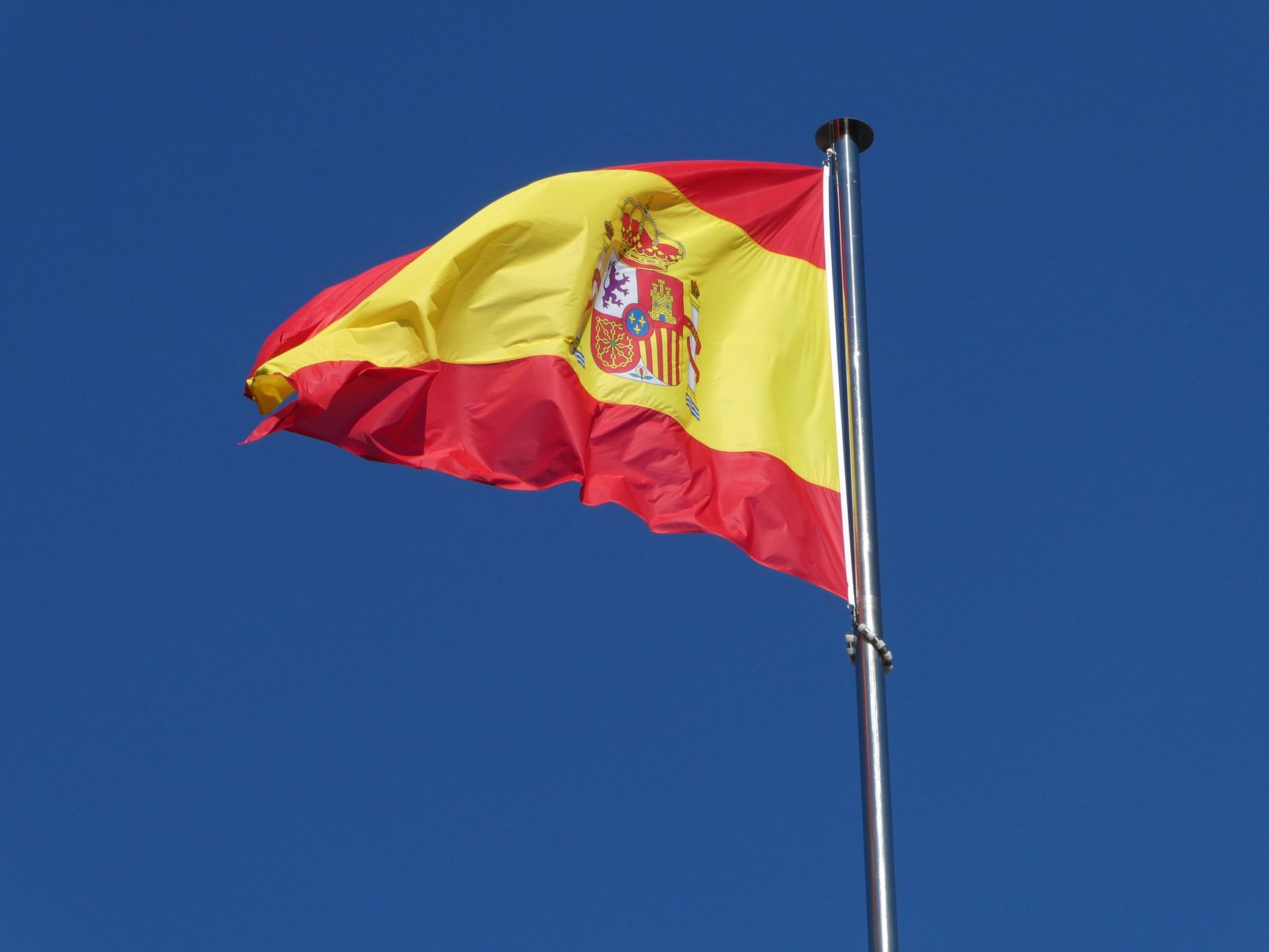
Spain will impose temporary border controls on travelers from Italy, retaliating after Rome's similar move sparked by the Ceuta migration surge. The rare dispute threatens EU unity.
Spain announced on Friday that it will introduce temporary border checks on visitors arriving from Italy, a direct countermeasure to Rome's own recent imposition of controls on Spanish arrivals. The reciprocal checks come into force at midnight on Saturday and will remain in place until 7 September, according to Spain's interior ministry. The move escalates a rare public rift between two EU and Nato allies, triggered by a mass migration event in the Spanish enclave of Ceuta.
A dispute ignited in the Mediterranean
The row began after tens of thousands of people crossed from Morocco into Ceuta on 30-31 July, an unprecedented and deadly influx that overwhelmed local authorities. In response, Italy, which takes a hard line on irregular immigration, announced one month of border checks on arrivals from Spain. Italy's far-right prime minister, Giorgia Meloni, described the measure as extraordinary, aimed to safeguard national security and prevent repercussions for the nation.
Spain's government immediately condemned the Italian decision as unfair, contrary to EU interests, and discriminatory toward Spanish citizens. Foreign minister José Manuel Albares likened it to “a torpedo fired at the hull of European unity” and urged Italy to lift the checks, warning of proportional measures if Rome did not comply by Sunday.
Italy refuses to back down
Hours after Spain's threat, Meloni's office issued a blunt rebuttal, stating that Italy does not accept ultimatums or impositions from abroad regarding national security and border control. The statement indicated that the checks would not be revised before 15 August, when Spanish authorities reportedly expect a new wave of irregular migration to hit Ceuta. Italy said it would reconsider the decision only when there is certainty that no security or terrorism risks exist, no new wave is occurring, and no irregular migrants are heading toward European territory.
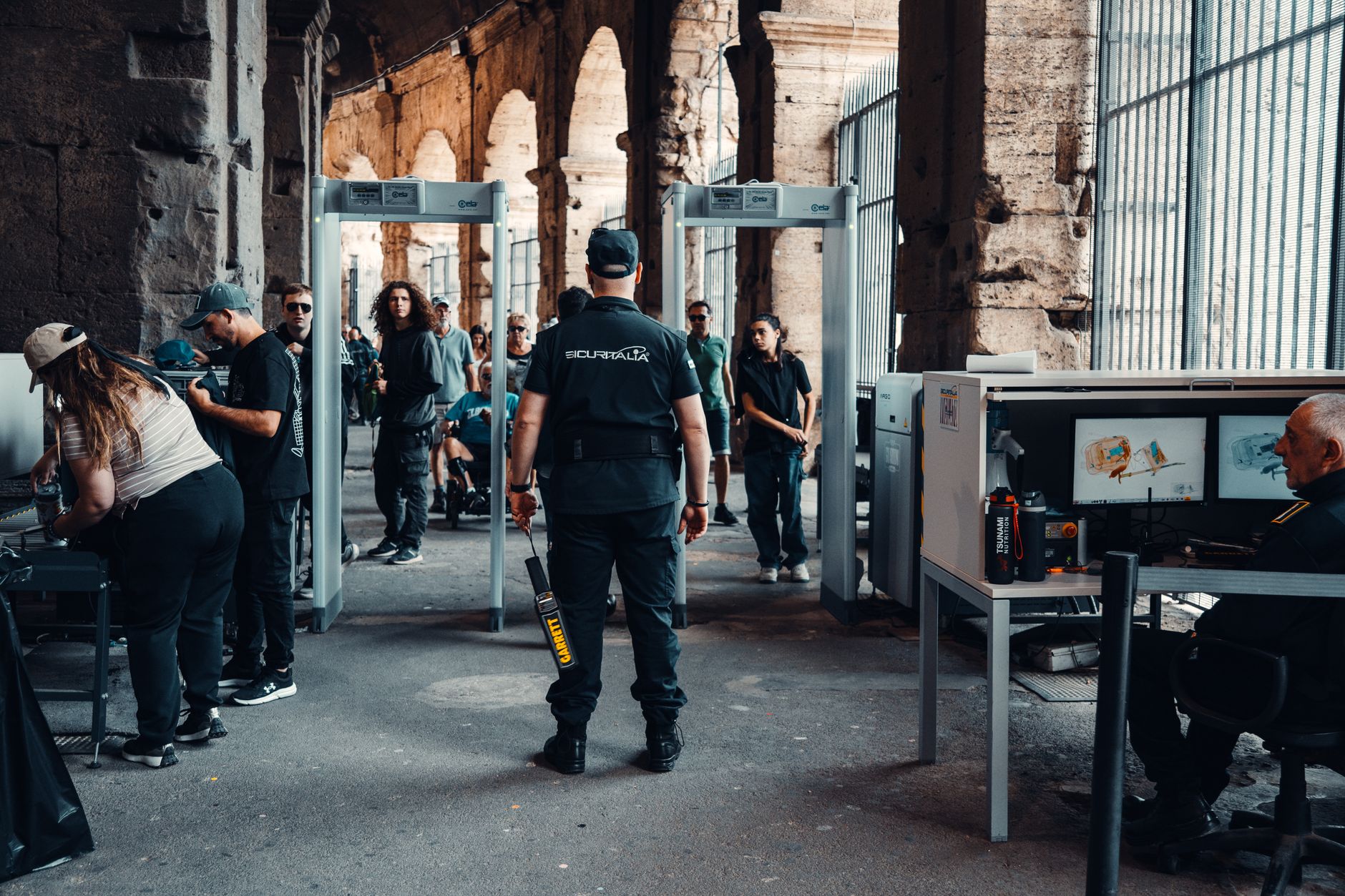
The Italian checks, announced on 31 July, apply to third-country nationals arriving at maritime and air entry points from Spain. Italy does not share a land border with Spain, so the controls are focused on airports and seaports. The Italian government has emphasized that Spanish and other EU citizens are not affected personally, but the measure nonetheless targets travellers originating from Spanish territory.
Ceuta and the broader migration challenge
The underlying crisis stems from the dramatic events at Ceuta. Official Spanish figures indicate that roughly 72,000 people entered the enclave during the two-day surge, with about 70,000 having since returned to Morocco. At least 80 people died during the crossings, underscoring the human toll of irregular migration routes.
The incident also provoked calls from several EU leaders, including Meloni, to suspend Spain from the Schengen visa-free travel zone, though such a move is legally impossible under EU treaties. The episode highlighted the bloc's internal tensions over how to handle migration pressure at its external borders.
Spain's interior ministry, announcing the reciprocal measures, warned against “creating rifts and sterile conflicts driven by internal electoral motives” and expressed hope that pro-European sentiment, common sense, and good faith would prevail. Meanwhile, Spanish police have been monitoring online rumors and social media chatter about possible fresh arrivals in Ceuta in mid-August, though authorities have not explicitly confirmed expectations of another rush.
What comes next
The tit-for-tat border measures risk further straining relations between two key EU partners. With Italy refusing to yield until mid-August and Spain matching the move, the immediate future points to a continued standoff. The episode also raises questions about the durability of the Schengen area's principle of free movement, as member states increasingly resort to unilateral controls in response to migration pressures.
As the situation develops, all eyes will be on whether the predicted surge in Ceuta materializes and whether diplomatic channels can de-escalate the conflict. For now, travelers between Spain and Italy can expect added scrutiny at entry points, a tangible consequence of a political dispute that shows no immediate sign of resolution.