Xi tightens grip on minorities as global crises distract world
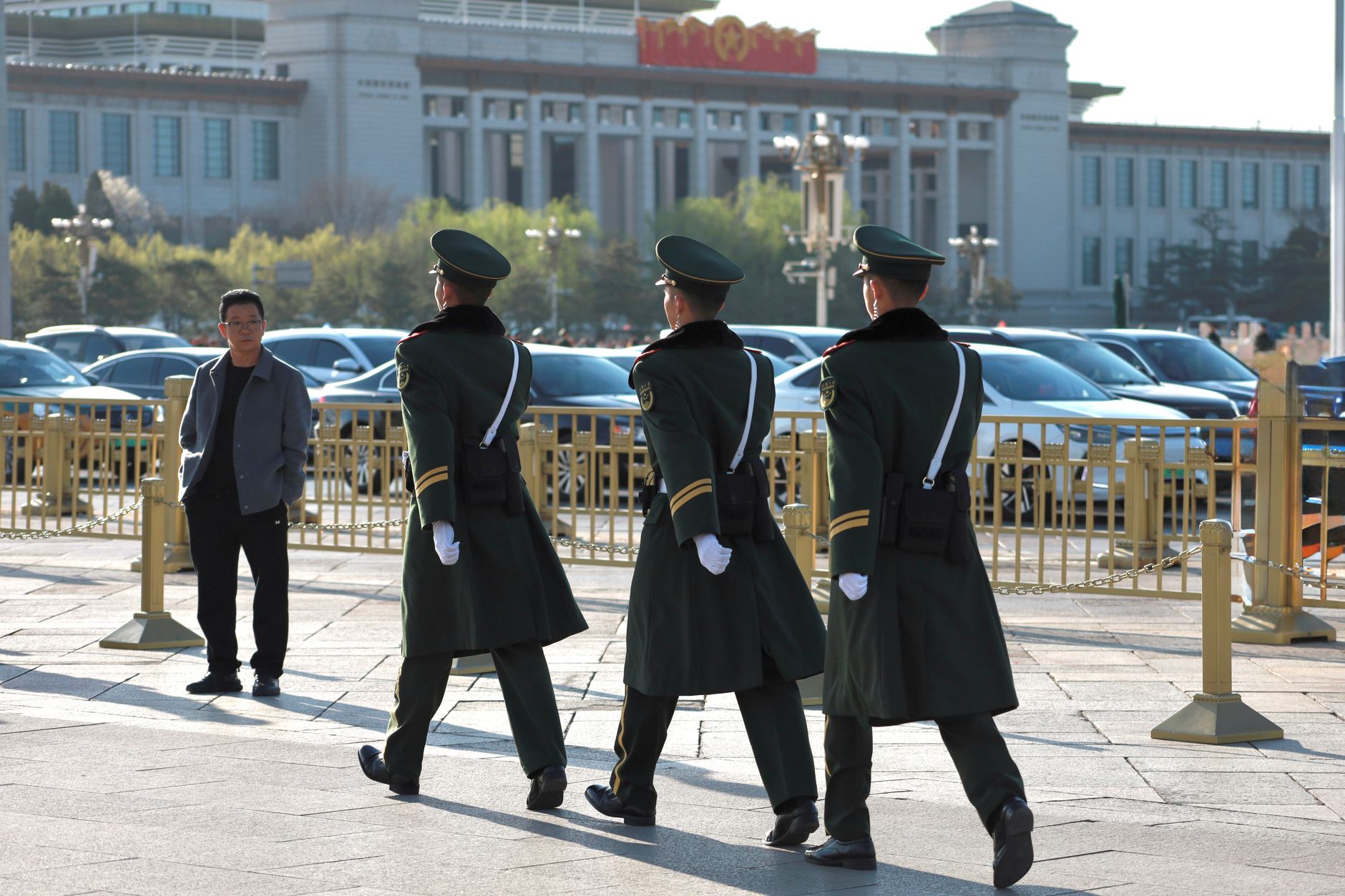
Amid Iran, Ukraine, and Palestine crises, Xi Jinping tightens his grip on China's minorities with a new law. Critics call it forced assimilation.
Chinese President Xi Jinping is capitalizing on global crises in Iran, Ukraine, and Palestine to consolidate his power at home, introducing a new ethnic unity law that opponents describe as a form of forced assimilation. The law, which expands compulsory use of Mandarin and tightens state control over minority cultures, has drawn sharp criticism from Western governments and human rights groups.
A New Law for Ethnic Unity
The legislation, championed by Xi as a way to strengthen national identity, requires all ethnic groups to embrace a unified Chinese culture. In Xi's words, minorities should “hug tightly like pomegranate seeds” to build a strong, united China. But for the country's roughly 125 million ethnic and religious minorities, the policy represents a direct assault on their languages, traditions, and identities.
Tibetans, Mongolians, Uyghurs, and others who value their distinct heritage say the law is designed to erase their cultures. Rights organizations, including Amnesty International, have condemned it as a form of cultural genocide. The death of Free Tibet activist Lobga Rangzen, who set himself on fire outside the UN in New York, has brought renewed international attention to the issue, though such tragedies have occurred for years.

A Broader Crackdown on Dissent
The ethnic unity law is part of a wider, intensifying campaign against dissent, difference, and diversity in China. In Tibet, wholesale repression remains a longstanding concern, while in Xinjiang, hundreds of thousands of Uyghurs and other Turkic Muslims have been subjected to arbitrary detention and forced labor in so-called re-education camps.
Hong Kong has also seen a systematic evisceration of its democratic institutions. Pro-democracy activists like former Apple Daily publisher Jimmy Lai have been prosecuted on dubious charges, and independent Christian churches and other unapproved religious groups face vicious suppression. The new law extends its harsh penalties even to Chinese citizens living abroad, creating a climate of fear and self-censorship.
Global Crises as a Diversion
Xi has effectively used the world's attention being focused on the wars in Ukraine and the Middle East to advance his domestic agenda with minimal international backlash. Western governments, reluctant to jeopardize trade ties with the world's second-largest economy, have been notably muted in their criticism. Britain, like many other democracies, struggles to balance economic interests against security concerns, often failing to articulate a coherent China policy.
China's internal affairs are increasingly treated as off-limits, with Western leaders preferring to look the other way. This has emboldened Xi, who, after nearly 15 years in power, is growing more aggressive in his pursuit of a legacy as the greatest Chinese leader since Mao Zedong.

What Lies Ahead
Xi's ambitions extend beyond domestic control. He is determined to establish China as the dominant global power, surpassing the United States and creating a multipolar order centered on Beijing. His legacy list includes the takeover of Taiwan before he steps down and unchallenged supremacy in the Asia-Pacific.
As the 21st party congress approaches, 2027 could be a watershed year. With the world distracted by conflicts in the Middle East and Europe, Xi sees an opportunity to reshape both his country and the global order to his will. The implications for human rights and international stability are profound.