7.4 Earthquake Kills 111 in Colombia; Rescuers Search Rubble
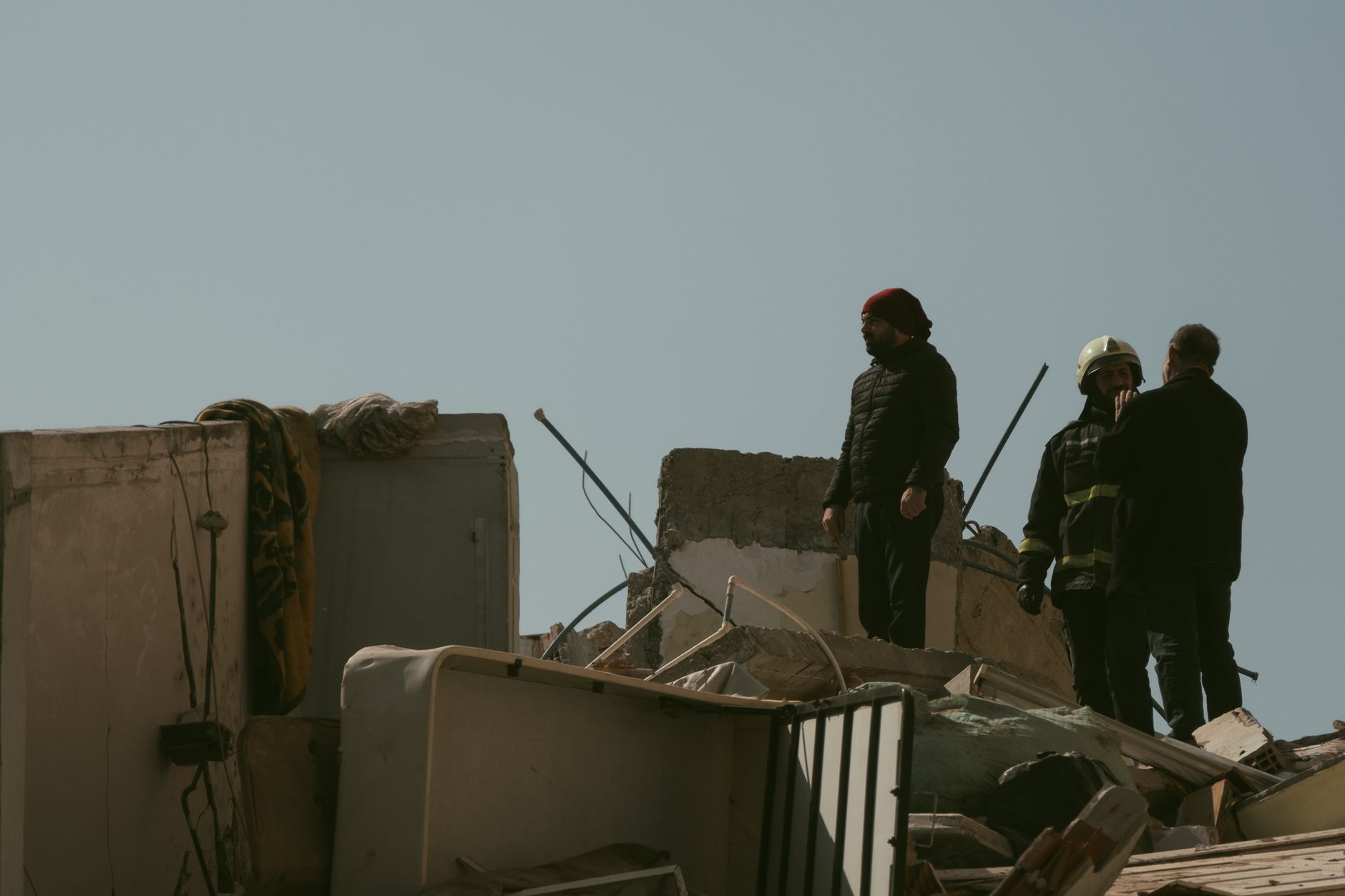
A powerful 7.4 earthquake struck Colombia, killing at least 111 people and shaking major cities. Search efforts are continuing, with the death toll expected to rise.
A powerful magnitude 7.4 earthquake struck Colombia on Tuesday, killing at least 111 people and sending tremors through major cities, including Bogotá, Cali, and Medellín. The president confirmed the death toll, warning that it is likely to rise as search and rescue teams comb through damaged buildings.
Quake Rocks Major Cities
The tremor hit with devastating force, shaking buildings and forcing residents in the capital and other urban centers to evacuate into the streets. In Bogotá, high-rise office buildings swayed as emergency alarms sounded. Cali and Medellín also experienced intense shaking, with reports of structural damage and people trapped under debris. The full extent of the destruction is still emerging, but the initial casualty figures already paint a grim picture.
President Confirms Casualties, Warns of Rising Toll
In a nationally broadcast address, the president said at least 111 people had been killed, emphasizing that the number was preliminary. "The death toll appears likely to rise," he stated, urging calm and cooperation with emergency crews. The government has activated rescue operations, dispatched medical teams, and opened temporary shelters for those displaced by the quake. Officials are working to reach the most heavily affected areas, where communication lines have been disrupted.
Colombia's Seismic Vulnerability
Colombia lies along the Pacific Ring of Fire, a geologically active region where earthquakes are common. The country has experienced powerful tremors in the past, and building codes have been strengthened in recent decades. However, a quake of this magnitude tests the resilience of even well-prepared cities. The fact that such a vast area was affected – including the capital and other major economic centers – underscores the challenges facing emergency responders.
Recovery and International Support
In the immediate aftermath, local residents joined official rescue crews, digging through rubble with whatever tools were available. Hospitals reported an influx of injured people, and emergency supplies are being distributed in affected neighborhoods. The international community has begun to offer assistance, with several countries and global organizations expressing condolences and readiness to provide support. The president acknowledged these offers and said the government would accept aid to accelerate recovery efforts.
Looking Ahead
The road to recovery will be long. Once the search-and-rescue phase ends, authorities will need to assess the full damage, rebuild infrastructure, and provide housing for thousands who lost their homes. The disaster also raises urgent questions about urban planning and disaster preparedness in a region where earthquakes are a recurring threat. As the days unfold, the focus will shift from immediate survival to rebuilding communities, with hope that lessons learned will lead to stronger, safer cities in the future.