Trump Extends Jones Act Waiver Amid Iran War Oil Disruption
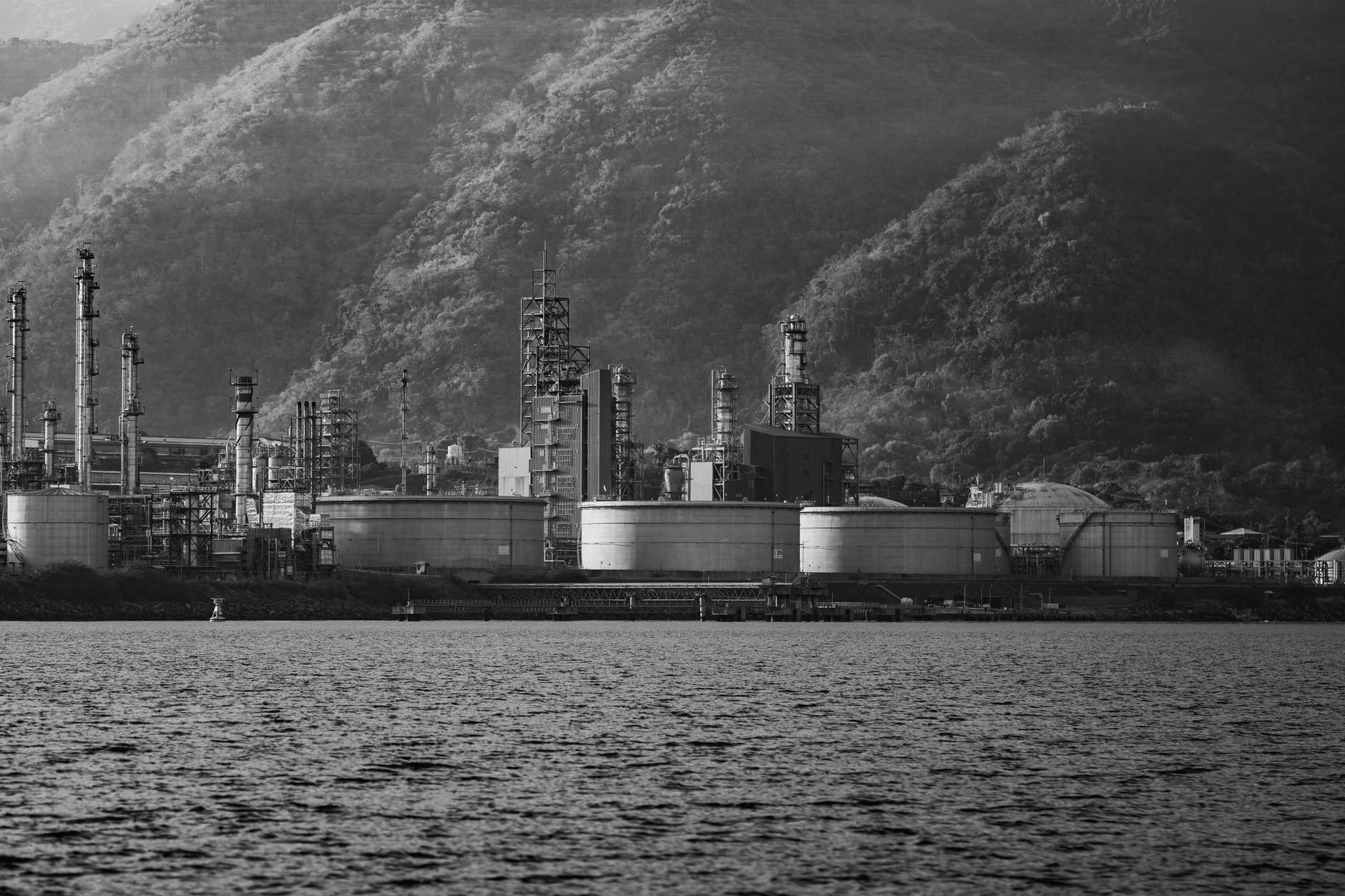
President Trump extended a waiver letting foreign ships move oil within US ports as the Iran war disrupts supply chains. Experts weigh the impact on fuel prices and energy security.
President Trump on Monday extended a federal waiver permitting foreign-flagged vessels to transport oil between U.S. ports, a rare emergency measure aimed at easing supply bottlenecks as the ongoing war in Iran continues to roil global energy markets. The move, announced without fanfare, will allow non-U.S. tankers to carry crude and refined products along the American coastline for an additional period, helping to stabilize domestic fuel distribution amid disruptions to international shipping routes.
What Happened
The Jones Act, a century-old maritime law, generally requires goods shipped between U.S. ports to be carried on American-built, American-owned, and American-crewed vessels. But the Trump administration has repeatedly granted temporary waivers in recent weeks as the conflict in the Persian Gulf has raised insurance costs, rerouted tankers, and created shortages in key regions. This latest extension, effective immediately, builds on a previous waiver that was set to expire, according to officials familiar with the decision.
Bloomberg News' Mike McKee and Bloomberg Economics' Chris Kennedy analyzed the implications, noting that the waiver provides a vital cushion for U.S. refiners and consumers. 'It's a stopgap that keeps fuel flowing where it's needed most,' McKee said during a broadcast segment. Kennedy added that the measure does not resolve the underlying fragility of global supply chains but does offer short-term relief.

Why It Matters
The Iran war has disrupted shipping through the Strait of Hormuz, a chokepoint for about 20% of global oil. This has sent freight rates soaring and pushed some international carriers to avoid the region entirely, tightening supplies in markets as far away as the United States. By waiving the Jones Act, the administration aims to lower costs for moving oil from Gulf Coast refineries to East Coast and West Coast markets, where inventories have dipped.
Impact on Oil Markets
Energy analysts say the waiver could help cap wholesale fuel prices, though retail pump prices remain elevated. The extension also signals that the White House is closely monitoring domestic energy security. 'This is a targeted response to a specific wartime stress,' Kennedy explained. 'Without it, the U.S. could face logistical nightmares and regional price spikes.' The effect on crude prices has been modest so far, but the move may prevent more severe dislocations if the conflict drags on.
Broader Context
The waiver is part of a wider administration effort to shore up critical supply chains. In a separate development highlighted by Bloomberg, U.S. Antimony Chairman and CEO Gery Evans discussed his company's work with the Trump Administration to boost the nation's weapons stockpile and supply of critical minerals. Antimony, used in ammunition and flame retardants, is considered vital to defense production. Evans described the collaboration as a model for public-private partnerships in strategic sectors.
Meanwhile, Grindr CEO George Arison appeared on Bloomberg to discuss the app's transformation into an AI-native platform. Arison detailed new features that leverage artificial intelligence to improve user matching and safety, reflecting a broader tech industry shift. These segments underscore the administration's focus on both traditional industrial resilience and next-generation technology.

What's Next
The Jones Act waiver extension is temporary, and its duration remains unclear. Industry observers expect the administration to reassess the situation as the Iran war evolves. If the conflict continues to disrupt supply chains, further waivers or even permanent regulatory changes could follow. For now, U.S. oil suppliers and consumers can breathe slightly easier, but the underlying volatility in global energy markets is unlikely to subside until the geopolitical crisis is resolved.