Israel Rejects Trump's 15-Point Plan to Disarm Hamas
Israel rejected a Trump-backed 15-point plan to have Hamas disarm and Israel withdraw from Gaza. The peace proposal, announced last month, now faces a firm no from Jerusalem.
In a decisive rebuff to a U.S.-backed initiative, Israel has formally rejected a 15-point plan proposed by President Trump's Board of Peace, which aimed to end the entrenched conflict in Gaza by having Hamas disarm in exchange for an Israeli military withdrawal. The plan, announced last month, was intended to break a years-long stalemate and offer a structured path toward a lasting ceasefire. But Israeli officials have refused to accept the terms, saying the framework compromises the nation's security architecture without delivering verifiable guarantees.
A Proposal Born in Washington
The Board of Peace, an advisory body associated with former President Donald Trump, unveiled the agreement last month as a comprehensive effort to resolve the Israeli-Palestinian impasse. According to the source material, the core trade-off involved Hamas handing over its entire arsenal of weapons while Israel simultaneously pulled its troops out of the Gaza Strip. The plan's 15 points were designed to address everything from security arrangements to the potential re-establishment of governance in Gaza. However, the specifics of those points were not made public, leaving room for interpretation and, ultimately, disagreement.

Israel's Security Calculus
Israel's rejection of the plan is rooted in a long-standing policy that any withdrawal from Gaza must be conditional on the complete demilitarization of Hamas. Even before the announcement, Israeli leaders had voiced doubts about the feasibility of a single, time-bound agreement. The proposal's simultaneous exchange of disarmament for withdrawal was seen in Jerusalem as a high-risk, low-certainty proposition. Without clear mechanisms to verify Hamas's compliance, Israeli defense officials argued, the plan would leave the country vulnerable to future attacks. The rejection was communicated through official channels, though the prime minister's office did not offer a detailed public statement, focusing instead on reaffirming Israel's commitment to defending its citizens by what it considers reliable means.
Analysts say the Israeli decision also reflects a broader skepticism toward initiatives that are not directly brokered by its closest security allies in the region. The Board of Peace, while closely linked to the Trump administration, lacks the standing and pragmatic approach that Israel's defense establishment prefers, particularly when it comes to engaging with groups like Hamas, which Israel designates as a terrorist organization.
Regional Dynamics and Reactions
The rejection is a serious blow to the Board of Peace, which had promoted the plan as a viable breakthrough after months of quiet diplomacy. The board has yet to respond formally to Israel's refusal, but the initiative now faces an uphill battle. With Israel refusing to participate, the '15-point' framework is effectively shelved, unless the board can regroup and present a modified offer that addresses Israeli security concerns. Hamas, for its part, has not publicly responded to the proposal, but the group has historically called for a complete Israeli withdrawal from Gaza — a condition that Israel's military presence does not currently fully fulfill beyond the border buffer zones.

What Comes Next
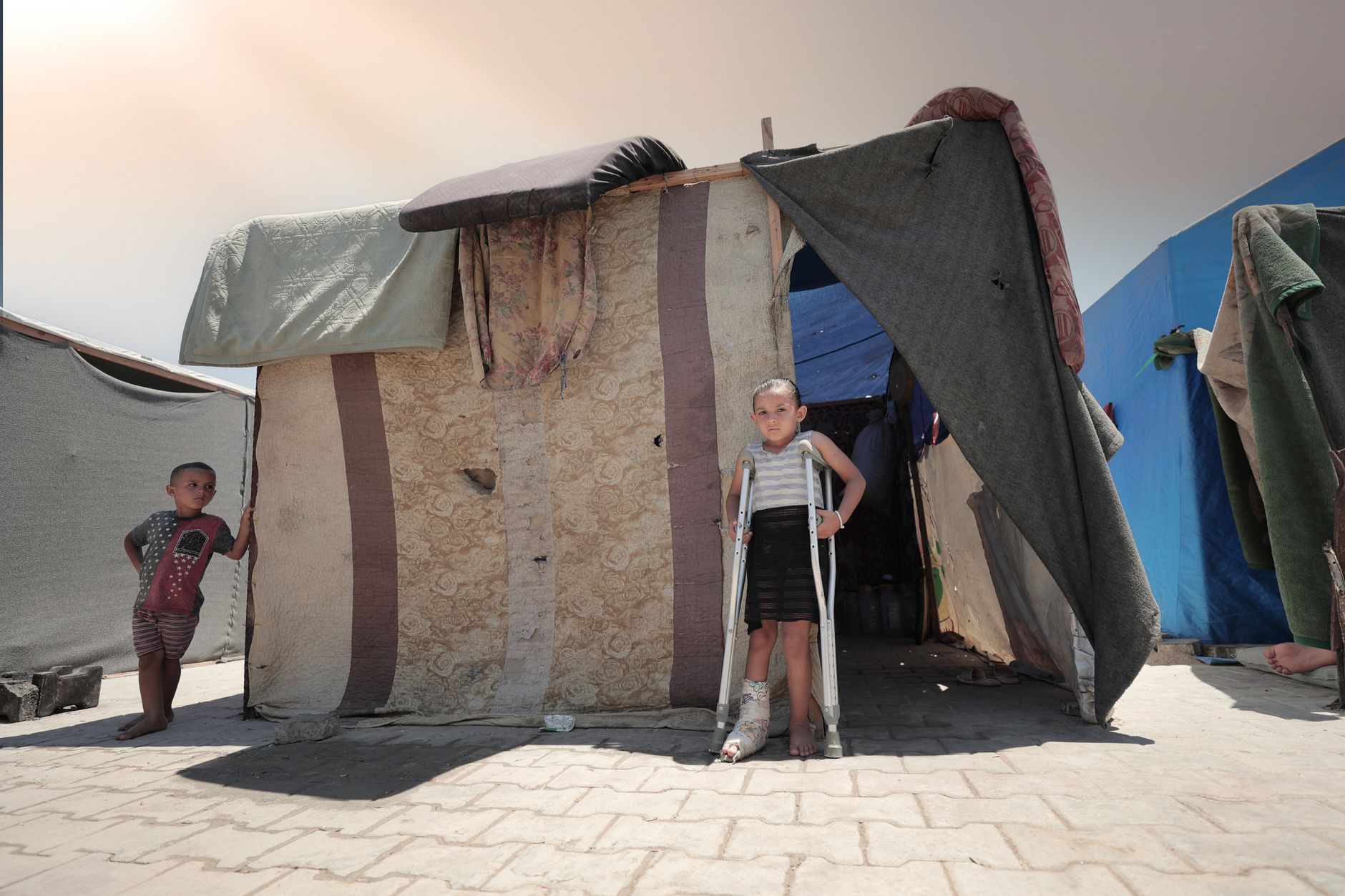
For ordinary residents of Gaza, the political deadlock means continued uncertainty. Humanitarian conditions remain dire, with basic services stretched thin and periodic escalations of violence disrupting daily life. The collapse of this particular peace initiative could also affect broader regional dynamics, including the potential for a wider Israeli-Arab normalization. As both sides dig in, the immediate future looks bleak for a rapid diplomatic resolution. The next steps will likely involve intense back-channel diplomacy, possibly leading to a revised proposal that takes Israel's red lines into account. But for now, the 15-point plan is just another good-faith effort that fell victim to the very conflict it sought to resolve.