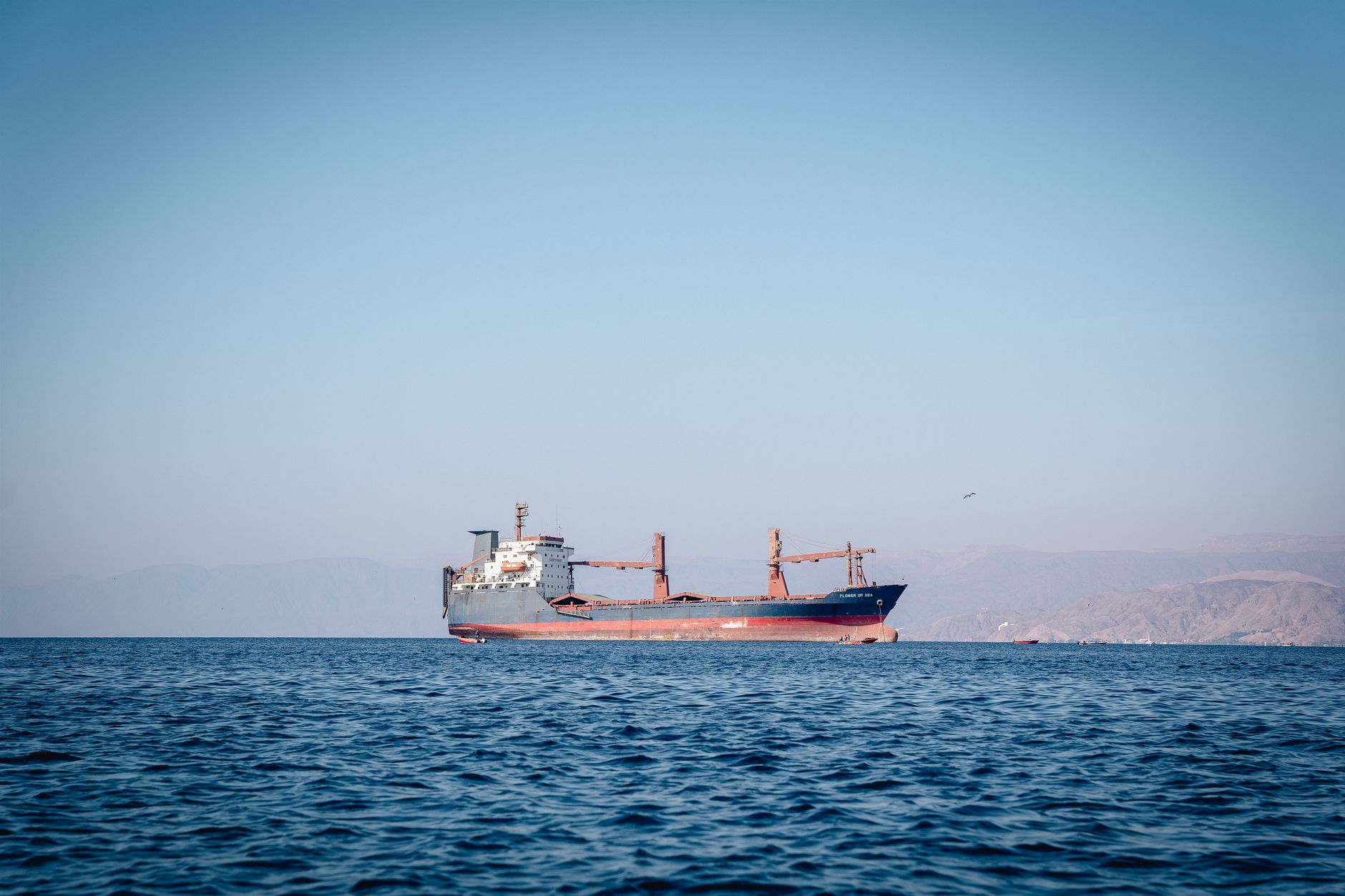
Tehran demands end to US blockade to reopen Hormuz
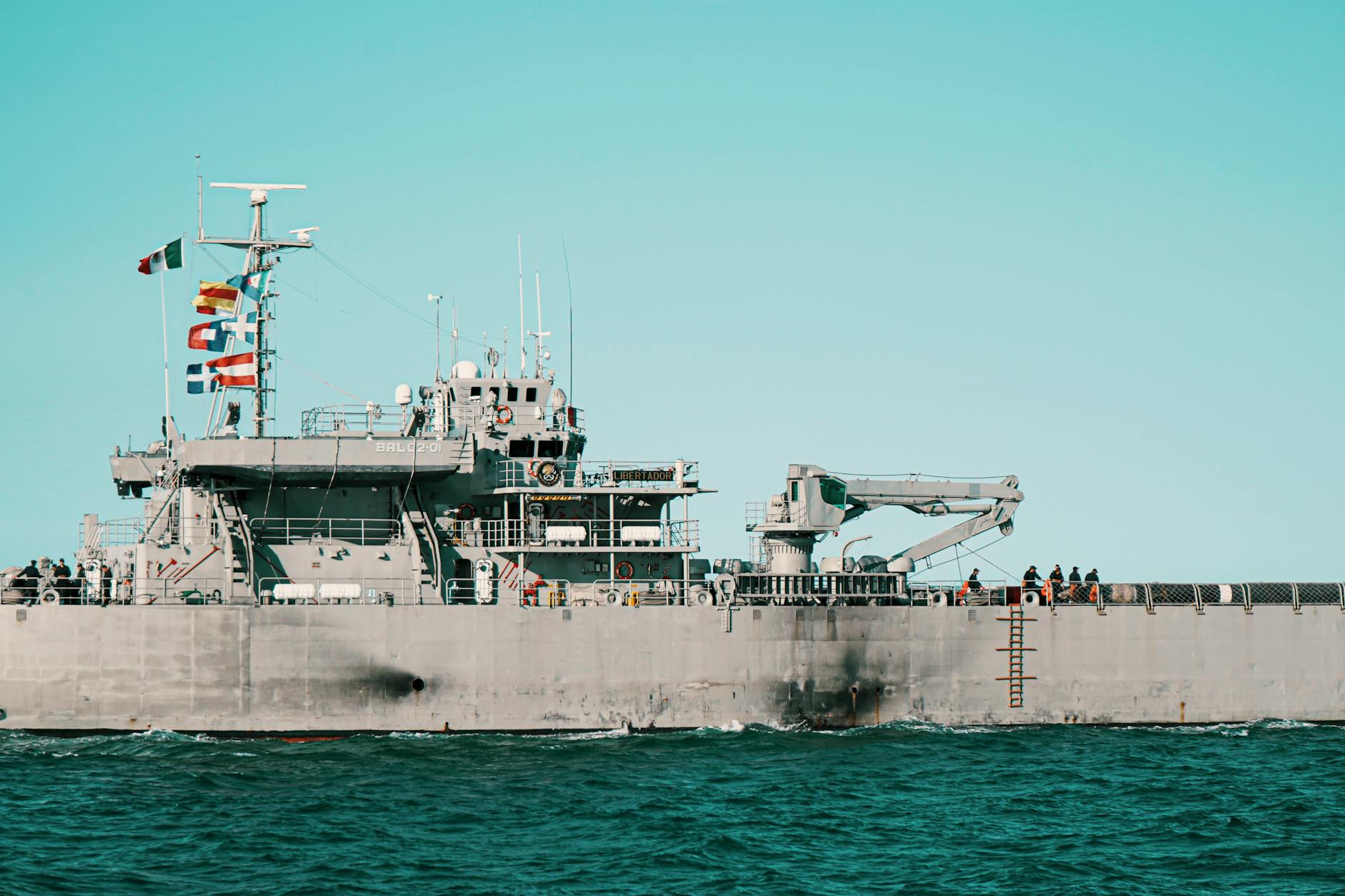
Iran's Revolutionary Guard conditions reopening of vital oil artery on lifting US naval blockade. Washington pushes for commitments to halt ship attacks.
Tehran has conditioned any reopening of the Strait of Hormuz on an end to what it describes as a US naval blockade, while Washington said it is seeking binding commitments from Iran to halt attacks against merchant vessels in the strategically critical waterway.
The chokepoint's global importance
The Strait of Hormuz is one of the world’s most vital energy arteries. Roughly one-fifth of global petroleum consumption passes through its narrow waters daily, making any disruption a direct threat to oil prices and global economic stability. Tankers carrying crude from Saudi Arabia, Iraq, the United Arab Emirates, Kuwait, and Qatar must navigate this waterway, and its closure would force costly detours and potentially trigger energy market panic.
The current standoff has roots in escalating tensions between Iran and the United States over shipping security. The IRGC has been accused of harassing and seizing commercial vessels in the area, while the US has deployed additional naval forces to protect shipping. Iran insists its actions are responses to what it calls US provocations and economic warfare.
Divergent conditions for reopening
According to the Islamic Revolutionary Guard Corps (IRGC), the strait will only be returned to normal navigation if the US lifts its naval blockade. Iran has long viewed the US maritime presence as a form of aggression, and the IRGC’s demand ties reopening directly to Washington’s military posture. On the other side, the United States is pressing Iran for guaranteed commitments to stop attacks on ships, arguing that any de-escalation must begin with Iranian restraint.
These conditions are in direct tension, leaving little room for immediate resolution. Iran wants tangible security concessions before it alters its behavior, while the US expects a cessation of hostilities before it reduces its forces. This chicken-and-egg dynamic creates a dangerous window in which miscalculation could lead to conflict.
Historical grievances and strategic leverage
The IRGC has long threatened to close the strait during crises, using it as a leverage card against Western powers. The current demand fits that pattern, but the mention of conditions for reopening suggests a possible opening for negotiations. Analysts note that Iran may be offering a path back from the brink, albeit one that requires the US to blink first.
The US, meanwhile, faces pressure from allies concerned about oil supply disruptions and the risk of wider regional war. Washington’s demand for commitments may reflect a desire to lock Iran into a code of conduct, possibly as a prelude to broader talks.
What could happen next
The situation remains fluid, with both sides appearing to gauge the other’s resolve. If the US does not lift its blockade, Iran might escalate its harassment of tanker traffic, potentially provoking a military response. Conversely, if Washington shows willingness to reduce its naval presence in exchange for verified Iranian restraint, the crisis could ease.
For now, the world’s energy markets are watching closely. Each intercepted ship or drone strike raises the stakes. The next steps will likely shape not only the security of maritime trade but also the broader trajectory of US-Iran relations.